Take a photo-led tour of WALI's rural innovation lab in Ahmed Abad Wang.
A place-led answer to what a practical rural innovation lab in Balochistan actually looks like.
Read articleJournal
The WALI Journal documents what the lab is doing, what its initiatives are learning, and what partners can verify through reports, field evidence, and public program records.
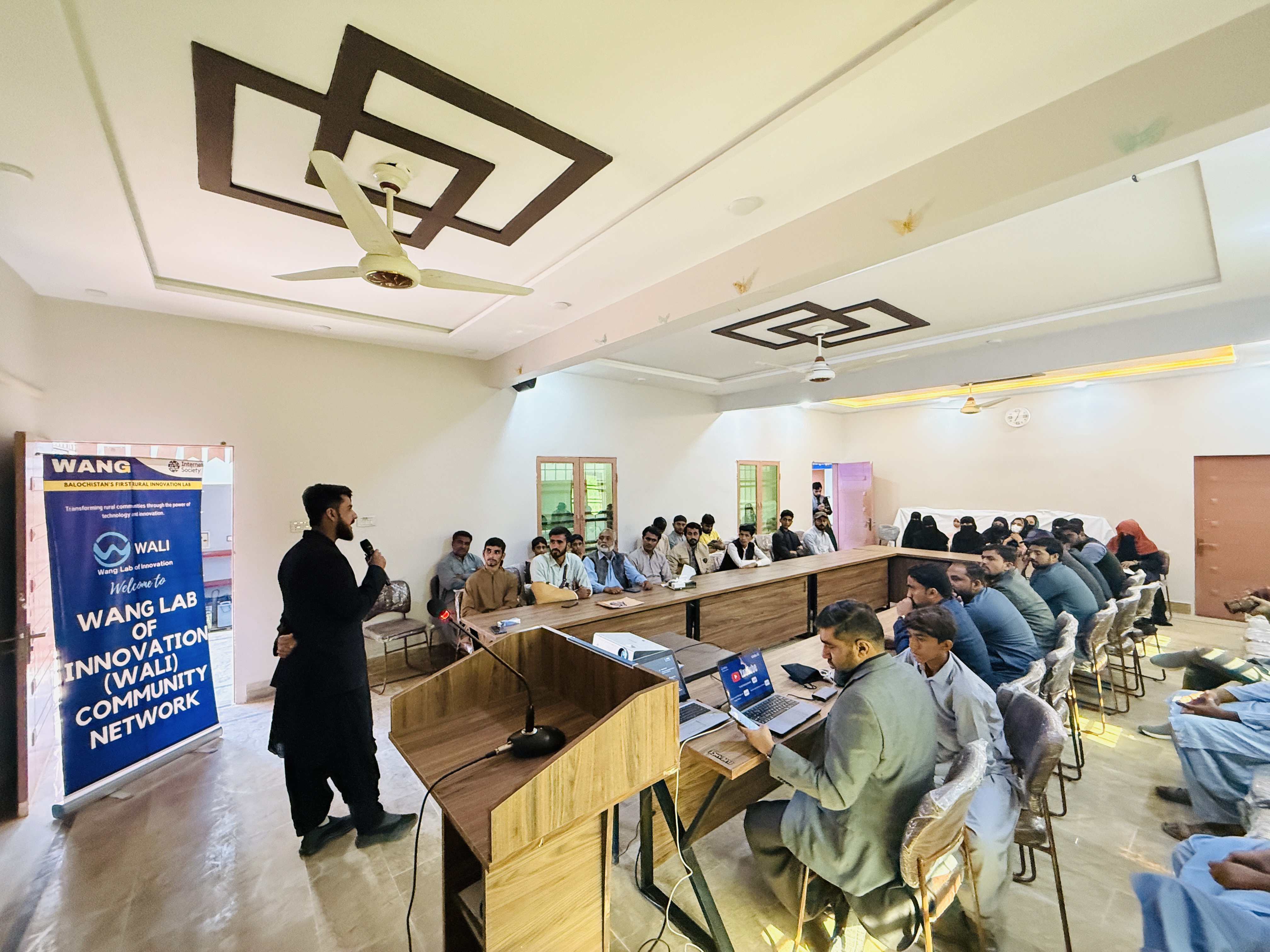
Featured story
196 learners trained, six Urdu AI workshops delivered, a winter digital learning camp for children, and a full timeline of how the lab has grown since 2021.
Latest stories
Stories about rural innovation, girls' digital access, women's enterprise, Urdu AI, connectivity, and community learning across Pakistan.
A place-led answer to what a practical rural innovation lab in Balochistan actually looks like.
Read articleA field story grounded in WALI's girls' computer-lab images and 2025 participation record.
Read articleA lab-based explanation of how WALI's infrastructure makes repeated access possible.
Read articleA teacher-facing bridge between Urdu AI, workshop delivery, and local facilitation.
Read articleAn enterprise story linking income, school continuity, and women's digital confidence.
Read articleA data-led explainer built from annual-report and organizational-profile evidence.
Read articleA closer breakdown of completion, gender balance, and why repeated training matters more than one-off events.
Read articleAn infrastructure-facing article linking rural access problems to PakSpeed's civic utility.
Read articleA cleaner explanation of why mission, delivery, and products are split across the ecosystem.
Read articleA place-based story showing how local access changes what a rural community can do.
Read articleReports and records
For partners, journalists, funders, and public institutions looking to understand WALI's work through dated records, operating metrics, and initiative history.
A dedicated look at the community-facilitator model behind Urdu AI's national grassroots expansion.
Read articleThe strongest institutional story in the archive: timeline, metrics, and what 2025 says about WALI's operating model.
Read articleA closer look at the three-month curriculum, certificate pathway, and why the program matters for first-contact digital confidence.
Read articleHow WALI used simple Urdu, practical modules, and local facilitation to reduce the language barrier around AI.
Read articleThe winter camp shows how the lab extends digital learning beyond adults and youth into earlier learning stages.
Read articleConnectivity, solar power, and public validation helped make WALI more than a classroom. They made it infrastructure.
Read articleA place-based institutional story linking Bela, Lasbela, and the continuity of WALI's work since 2021.
Read articleCase study library
How WALI's work grows from a rural lab into programs and tools that reach beyond Lasbela.
Infrastructure, connectivity, and institutional backing made repeated delivery possible in Lasbela.
Read case studyLanguage access became one of the ecosystem's clearest national impact stories.
Read case studyA closer look at the enterprise pathway inside the wider WALI ecosystem.
Read case studyPakSpeed shows why product thinking matters for a rural innovation institution.
Read case studyCoverage areas
What happened, where it happened, who it served, and what the outcomes show.
Digital literacy, first-contact learning, youth support, and training services delivered from the lab.
Urdu AI, WIRE, PakSpeed, PakEducate, and the larger ecosystem emerging from Lasbela.
Funders, institutions, and collaborators that make the work more durable and more visible.
Reports, photos, workshops, community sessions, and annual metrics that build public trust over time.