WALI's Annual Report 2025 provides the clearest picture of the lab's work to date. For a young rural innovation lab, that matters. A public annual report turns activity into a record. It lets partners see what happened during the year, what the lab taught, and how the work has been described in one accountable place.
The report places WALI in Ahmed Abad Wang, Bela, Lasbela, and describes the lab as founded in 2021. It also states that WALI opened in October 2022 as a solar-powered, community-led technology lab with strong internet access and learning programs offered free of charge. That timeline is important because it shows continuity, not one-off programming.
What the 2025 report establishes
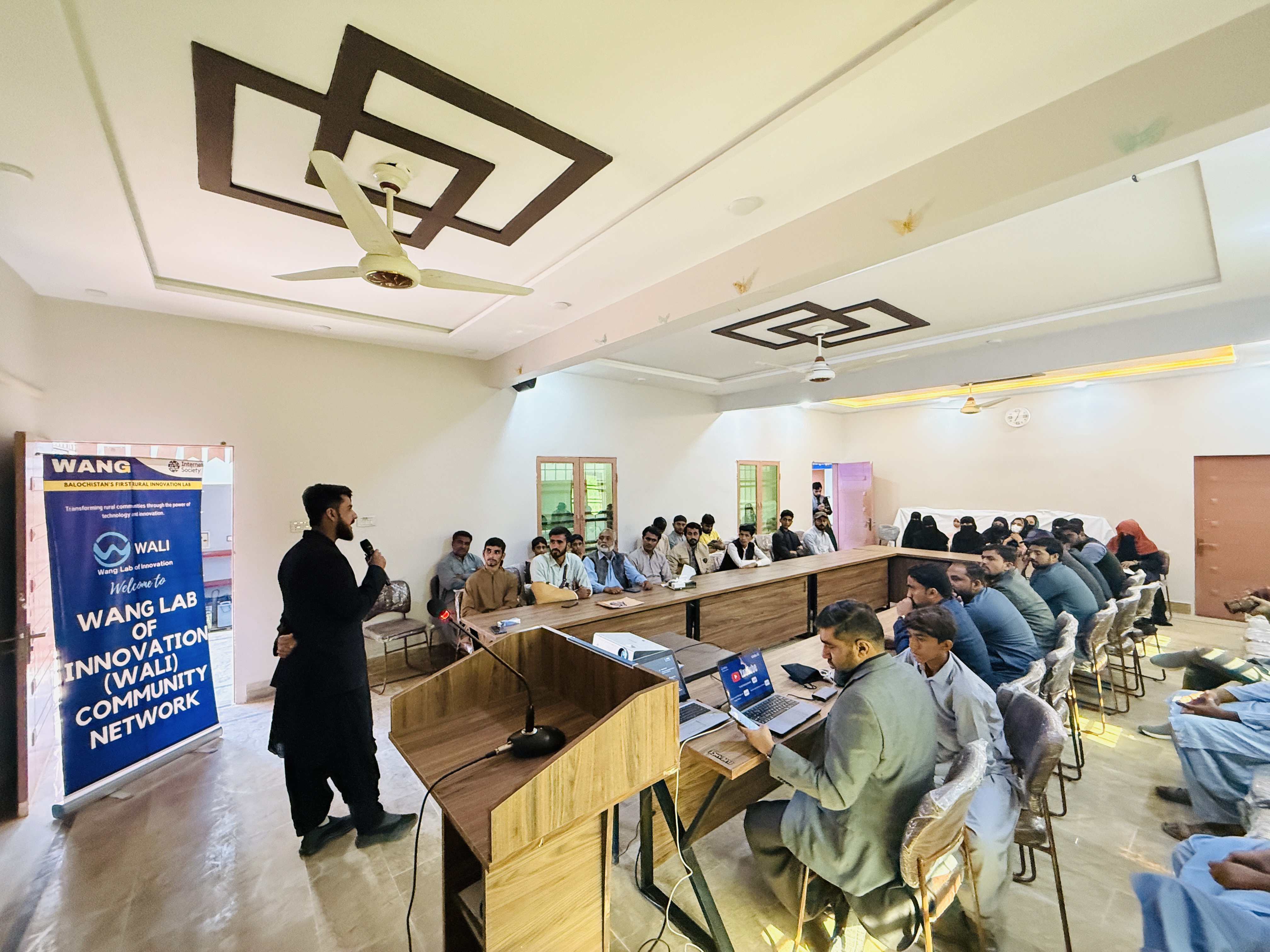
The report shows that 2025 was not just a year of general outreach. It was a year of structured learning. WALI ran a three-month digital literacy program, delivered six artificial intelligence workshops in collaboration with Urdu AI, and organized a winter digital learning camp for children during the school break.
Those details matter because they shift WALI from a broad mission statement into something more concrete: a place where specific programs happen on a repeated basis with visible outcomes and documented curriculum.
Program outcomes in 2025
According to the annual report, 196 learners completed the core digital literacy program during 2025. The report breaks that down into 108 female learners and 88 male learners. It also describes a certificate distribution ceremony where students reflected on what they had learned and how the training affected their confidence and daily use of technology.
The AI workshops focused on practical exposure rather than hype. Modules included the fundamentals of artificial intelligence, productivity with AI tools, prompt engineering, and responsible use. That makes the 2025 record especially valuable because it shows WALI working at the point where digital literacy and emerging technology begin to meet.
Why this matters for partners
A report like this matters because it gives WALI real dates, real numbers, a real place, and a stronger sense of continuity. It makes the organization easier for donors, journalists, collaborators, and public institutions to understand.
The next step is straightforward: more annual reporting, more case studies, and more pages that explain what happened in the lab with the same level of specificity. This report is the first serious piece of that foundation.