
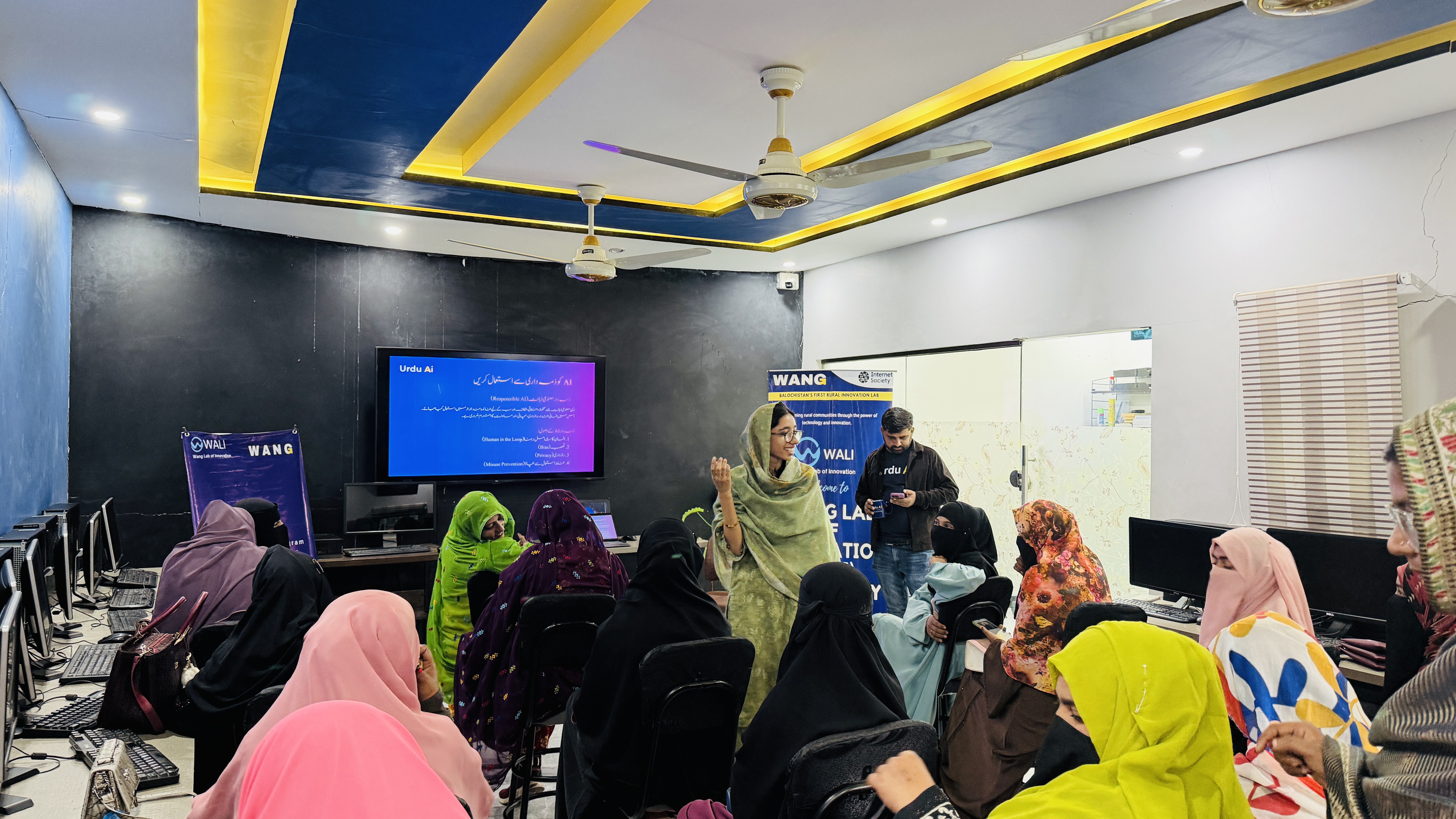
The annual report describes WALI as a solar-powered, community-led technology lab with strong internet access and free learning programs. That sentence carries more strategic weight than it may seem. In a rural learning environment, power and connectivity are not separate technical details. They are the conditions that make digital literacy and AI learning possible in the first place.
Without stable electricity, computers do not become a repeated learning tool. Without reliable internet, online research, Google tools, AI exposure, and basic digital confidence stay limited. WALI’s model matters because it combines those conditions instead of treating them as someone else’s infrastructure problem.
Why solar power changes the story
Solar power is important here not because it sounds innovative, but because it supports continuity. A lab that depends on fragile or inconsistent energy access cannot promise repeated delivery. The solar-powered structure helps WALI maintain a learning environment where teaching can happen with more confidence and less interruption.
This is also why the Internet Society case study matters. Connectivity support and institutional backing helped the lab become more than a classroom. They helped it become infrastructure.
What the internet connection enables
Inside WALI, connectivity supports more than browsing. It enables research, email, Google applications, digital safety practice, AI tools, and all the other curricular pieces listed in the 2025 annual record. In other words, internet access is not an extra benefit. It is a core part of the curriculum itself.
That is what gives WALI stronger ground for pages like digital literacy in Pakistan and PakSpeed. The institution is not only talking about access. It is operating inside the conditions access requires.
Why this matters for rural Pakistan
In many rural areas, digital opportunity still breaks at the infrastructure level. WALI’s record suggests a more practical approach: bring power, connectivity, facilitation, and repeated learning together in one local site. That makes solar-powered internet in rural Pakistan more than a technical description. It becomes a community access model.
For partners and donors, that matters because it shows why the lab can support both learning programs and public-interest initiatives. The infrastructure underneath the work is visible and intentional.