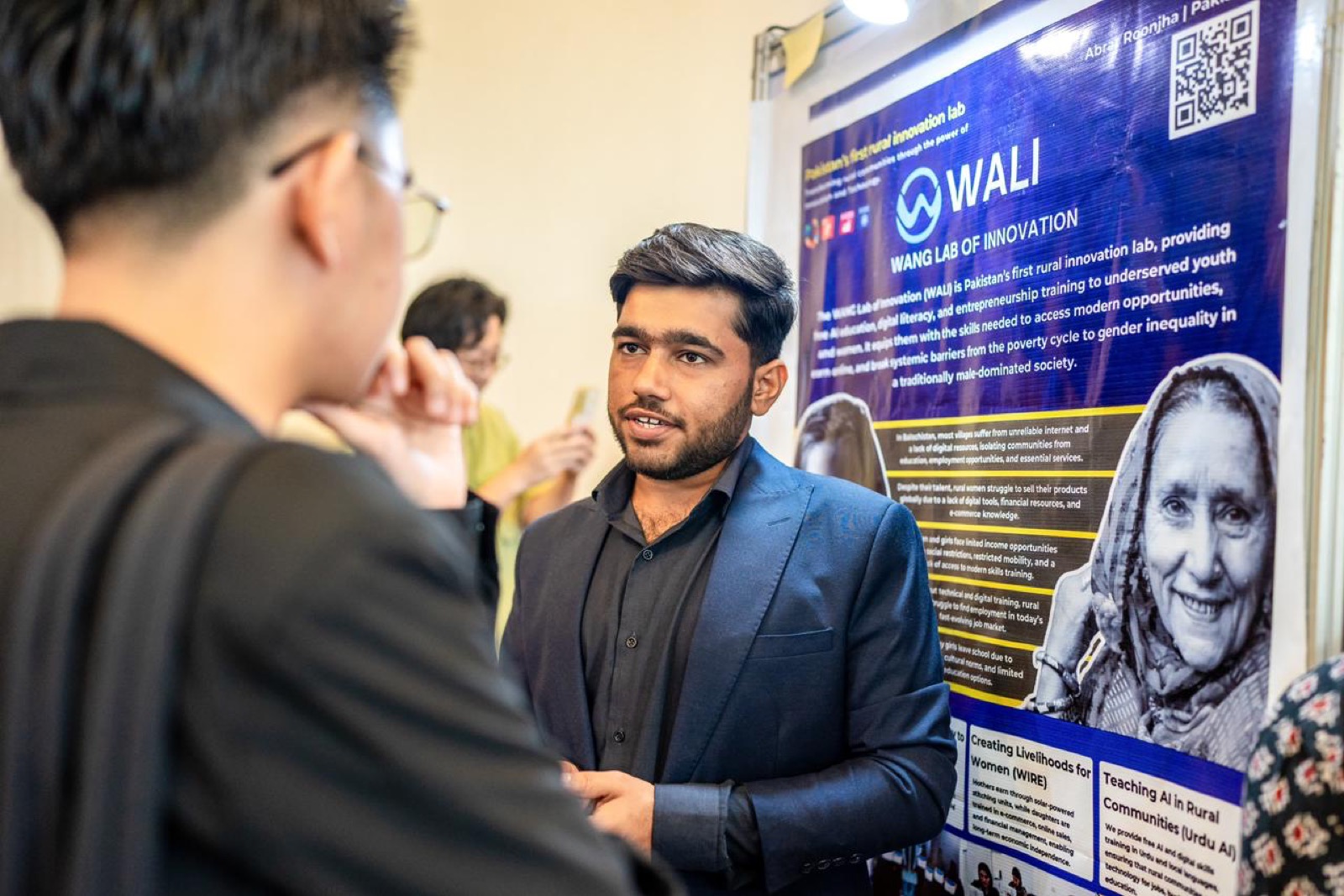
The strongest way to understand the WANG and WALI ecosystem is to stop asking one entity to do everything. WANG is the nonprofit foundation. WALI is the working lab. The wider products and initiatives extend the work into specific public systems, tools, and enterprise pathways.
That matters because Clear roles help each part of the organization focus. WANG carries the community mission, legitimacy, and long-term relationships. WALI carries the field site, the learning environment, and the experimentation logic. Initiatives like Urdu AI, WIRE, PakSpeed, PakEducate, and Darwaza serve specific public needs.
Why the separation is useful
A nonprofit cannot always behave like a product studio. A product cannot always carry the full public-interest narrative of a nonprofit. Separating those roles makes the system easier to understand and easier to sustain. It also helps different kinds of partners find their way into the ecosystem through the right door.
For example, a donor interested in girls’ education may enter through WIRE or the broader WALI mission. A school may enter through PakEducate. A language-access partner may enter through Urdu AI.
Why this is a social enterprise model
The model becomes more durable when part of the ecosystem can generate usable products, services, or enterprise revenue while the nonprofit mission keeps the direction honest. WIRE already shows this logic through social enterprise income and local production. PakEducate introduces the school-systems layer. PakSpeed introduces public infrastructure logic.
This does not replace the mission. It gives the mission more ways to survive, scale, and stay relevant.
Why the structure matters
People looking for a nonprofit social enterprise model in Pakistan often want one grounded in a real ecosystem. This example explains the roles, the relationships, and the strategic reason the system is structured the way it is.
It also gives a clearer institutional frame to the ecosystem overview, the initiative hub, and the partners page.