
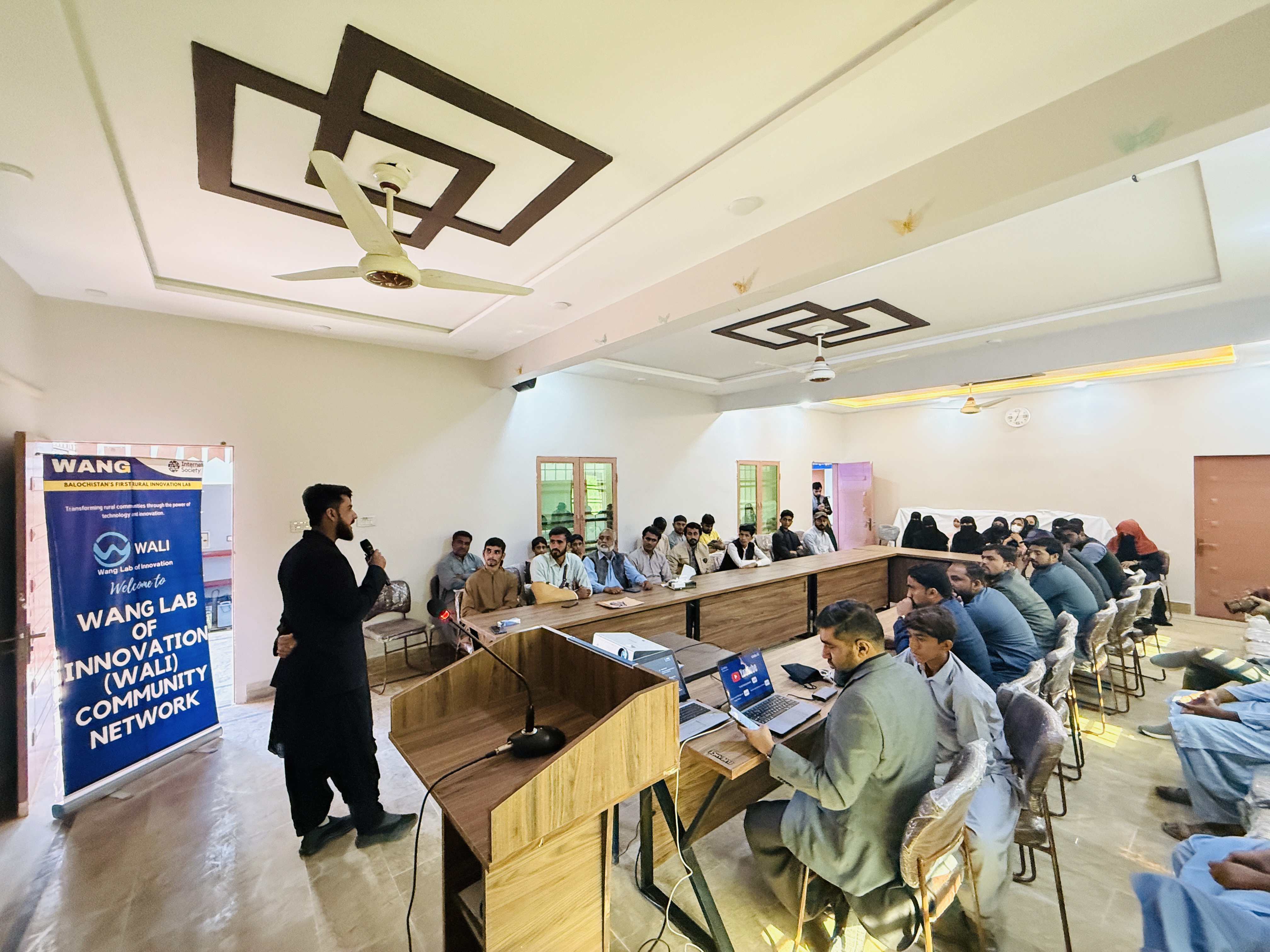
196 learners trained is not only an output number. On the WALI site, it functions as evidence that a rural learning model ran with enough continuity to take people through a structured course and to document the outcome. That matters because impact should mean more than attendance.
The annual report describes those 196 learners as having completed the full three-month digital literacy program in 2025. It also gives the gender breakdown: 108 female learners and 88 male learners. That is important because it shows both completion and access, especially for women and girls in a rural setting.
What the number says about completion
Completion matters more than raw reach in many education settings. A high attendance count can still hide shallow delivery. WALI’s record is stronger because it points to a full-course outcome. Learners did not only visit a session. They completed a program with a defined duration and a visible certificate pathway.
This makes the number more meaningful for funders, partners, and public institutions. It links WALI to a measurable training cycle rather than a loose category of awareness activity.
What the gender split says
The 108 female / 88 male split helps explain one of WALI’s central claims: that rural access for women and girls is not a secondary issue. It is built into the operating model. This figure also makes stories like girls’ digital literacy and WIRE more credible because WALI can point to real participation data.
This matters because it suggests the lab is not only open in theory. It is being used by the people it says it is built for.
What the number does not say alone
One number never tells the whole story. It does not tell us everything about retention over time, job placement, or long-term economic outcomes. But it does provide a strong public anchor. It helps show that WALI is not only describing rural innovation. It is documenting it.
This figure becomes even clearer when read alongside the digital literacy program story, the impact overview, and the annual report summary.