
How the Internet Society partnership helped WALI become more than a classroom.
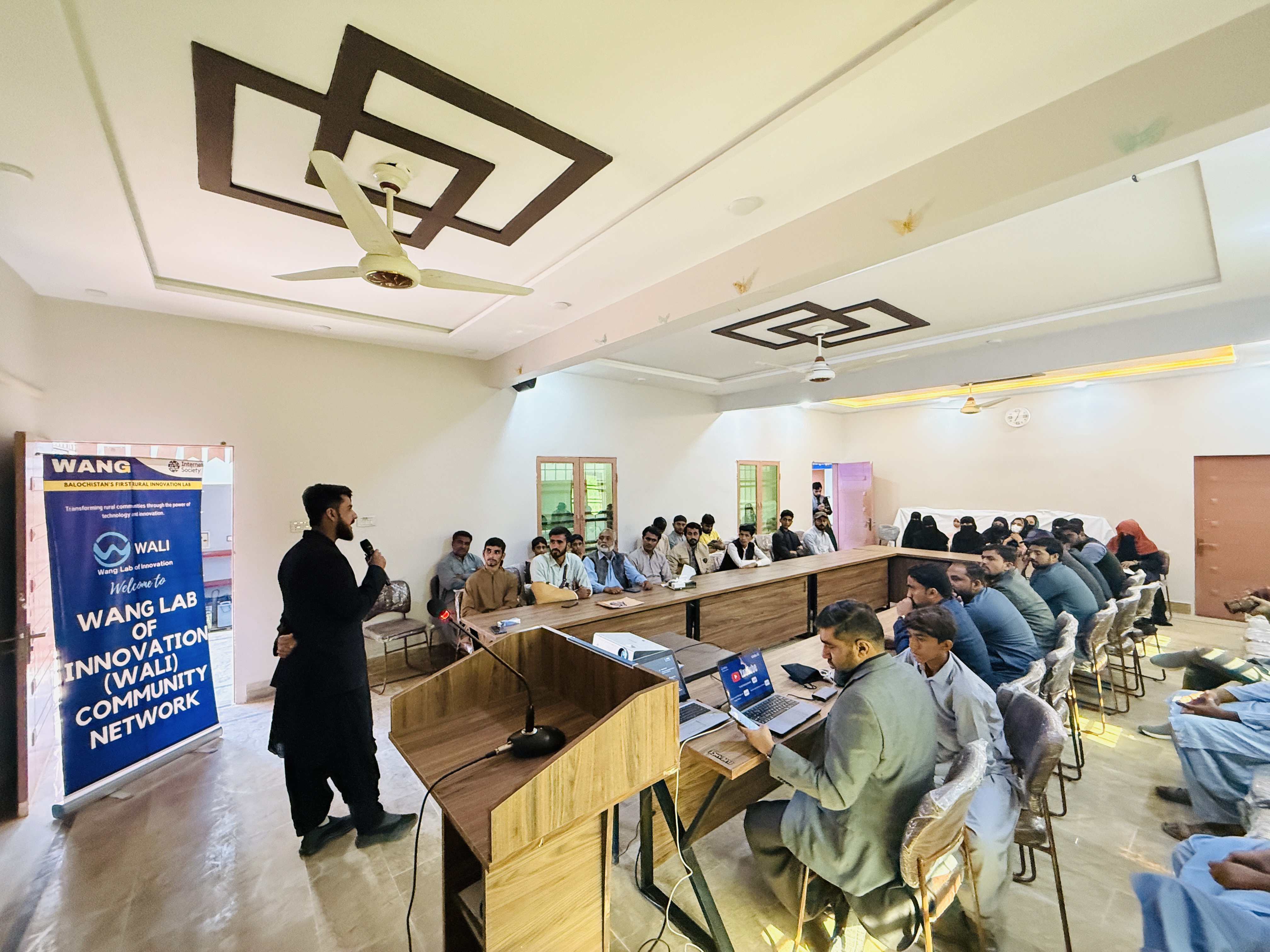
Connectivity, solar power, and institutional backing helped turn WALI into a usable public-interest site for learning.
Read case studyCase studies
These case studies connect WALI's areas of work: infrastructure, language access, women's enterprise, and civic digital tools. Together they show how a rural lab can move from programs on the ground to public-interest systems people can verify online.
Why case studies matter
WALI's case studies show how the lab was built, what it delivered, which initiatives grew out of it, and what donors, schools, researchers, and media can verify through public records.
Case studies
Each case study addresses a different dimension of WALI's work: infrastructure, language, livelihoods, and civic data.
Connectivity, solar power, and institutional backing helped turn WALI into a usable public-interest site for learning.
Read case studyPhase one training, a national Dost network, and phase two expansion show how WALI's local work scaled through language access.
Read case studyThe WIRE model links enterprise, girls' futures, and solar-powered production inside the wider WALI ecosystem.
Read case studyPakSpeed shows how a rural innovation lab can build civic tools, not just training programs.
Read case studyFor funders and institutions
If you care about rural infrastructure, read the Internet Society story. If you care about language access, start with Urdu AI. If you care about women's livelihoods, read WIRE. If you care about civic digital systems, start with PakSpeed.